
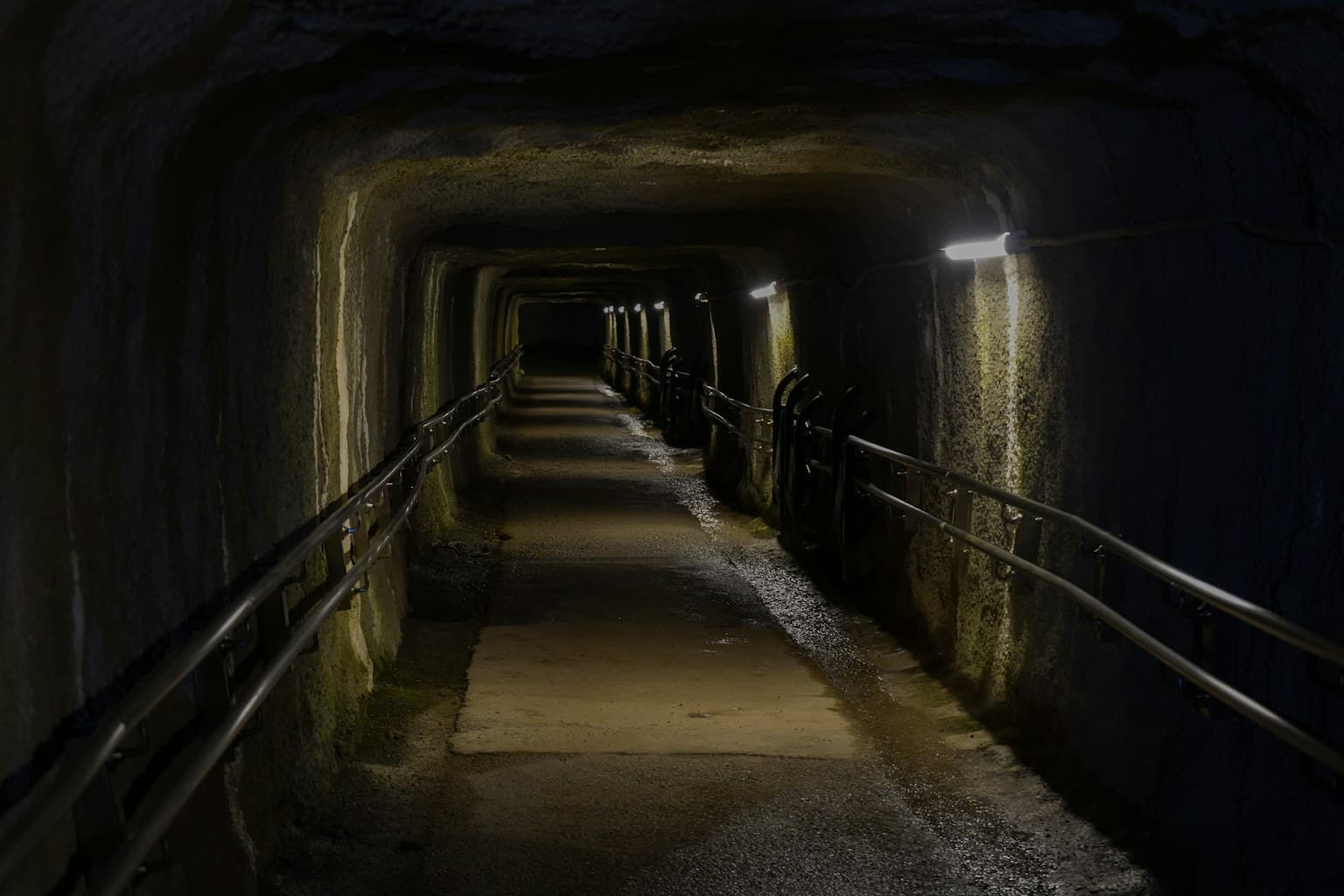
Underground mining is not a single discipline. Behind every delivered metre and every recovered tonne sits a chain of distinct activities — development, ground support, production drilling, load and haul, backfill — each with its own planning, crew and equipment requirements. When that chain is well integrated, the operation runs safely and predictably. When it is not, the same constraints surface again and again: missed metres, unplanned downtime, and crews working around problems that should have been engineered out.
This article walks through the disciplines that actually make up underground mining in an Australian hard-rock context, and what each one demands in practice. It is written for mining professionals — mine owners, managers, engineers and procurement teams — who already understand the industry and want to think clearly about how the work gets delivered.
Development: where the mine takes shape
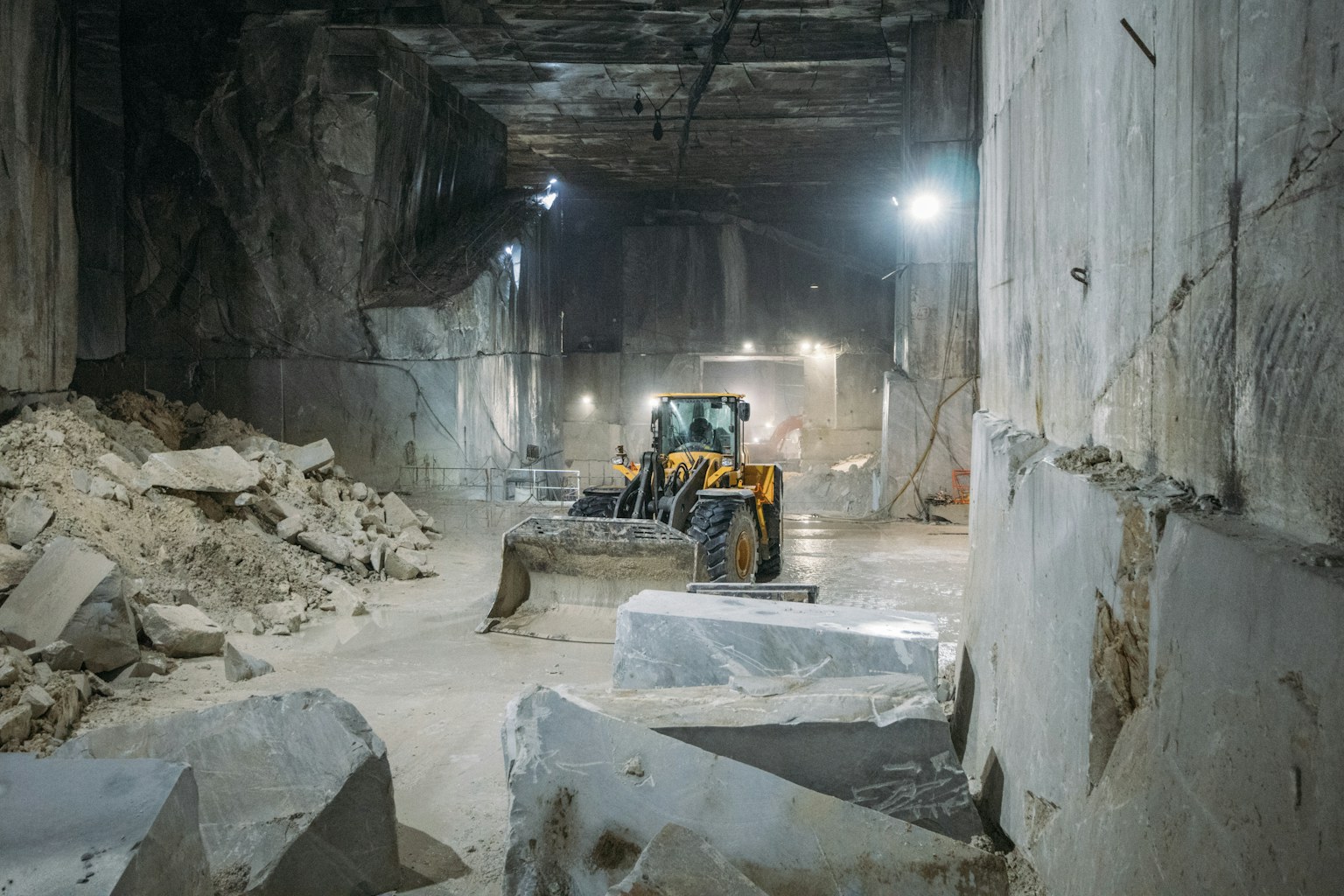
Development is the work of creating access: the declines, drives, crosscuts, ore drives and level accesses that open up the orebody. Every metre of development buys future production flexibility, so development performance sets the ceiling on everything that follows.
Good development is a planning exercise as much as a drilling and ground support exercise. Face cycles, ground conditions, ventilation changes, service installation and fleet availability all need to line up for metres to advance reliably. A development cycle that looks fine on a spreadsheet can fall over the moment one input slips — a delayed bolter, an unplanned ventilation change, or a crew change halfway through a swing.
Development also carries a disproportionate safety load. Opening new ground means new ground conditions, and the pre-starts, face inspections, ground support installations and charge-up sequences have to be done well every time, not just on average. Why Preparation Is the Foundation of Safe Underground Mining covers how this plays out in practice: the outcomes in the heading are set in the preparation, not in the blast.
Ground support: the discipline that lets everything else run
Once ground is opened, it has to be held. Ground support is not a one-off activity bolted onto the end of development — it is an ongoing discipline that follows the operation through its life, from initial support at the face through to secondary support, rehabilitation of older workings, and reinforcement of long-life excavations.
The practical demands are unforgiving. Support has to be matched to ground conditions, not to habit. Boring and bolting patterns, mesh and shotcrete application, cable bolting of larger spans, and the quality control that sits behind every install all have to be done properly, because ground support failures do not announce themselves in advance.
Cable bolting in particular has become a core capability rather than a specialist add-on. Larger stopes, longer-life infrastructure and more ambitious mining geometries all depend on it. AZROC delivers cable bolting in-house using a Sandvik DS420C, which allows us to control both the drilling and the installation quality rather than rely on subcontracted scopes. Cable Bolting and Ground Support: Building Safer Underground Workings walks through why that integration matters.
Production drilling: where the tonnes come from
Production drilling is the discipline most directly tied to recovered grade and tonnes. Longhole drilling, in particular, carries the bulk of production in many Australian underground hard-rock operations: the accuracy of the drill pattern, the consistency of hole depth and alignment, and the control of deviation all translate directly into fragmentation, dilution and ore recovery.
The operational reality is that production drilling performance is mostly set before the hole is collared. Hole layout, drilling equipment condition, drill steel and bit selection, flushing, and the discipline of the driller all matter more than any single shift's metres. A rig that is reliably available and a crew that is reliably consistent will out-deliver a nominally faster rig with higher downtime every time.
Remote drilling capability has changed what is possible here. Modern rigs allow operators to drill from a protected location, keeping people away from open ground and unsupported areas while the hole is being drilled. How Remote Drilling Improves Safety in Underground Mining looks at this in more detail, and What Reliable Longhole Drilling Support Looks Like Underground covers what good looks like from an operator's perspective.
Load and haul: the system that either keeps up or becomes the bottleneck
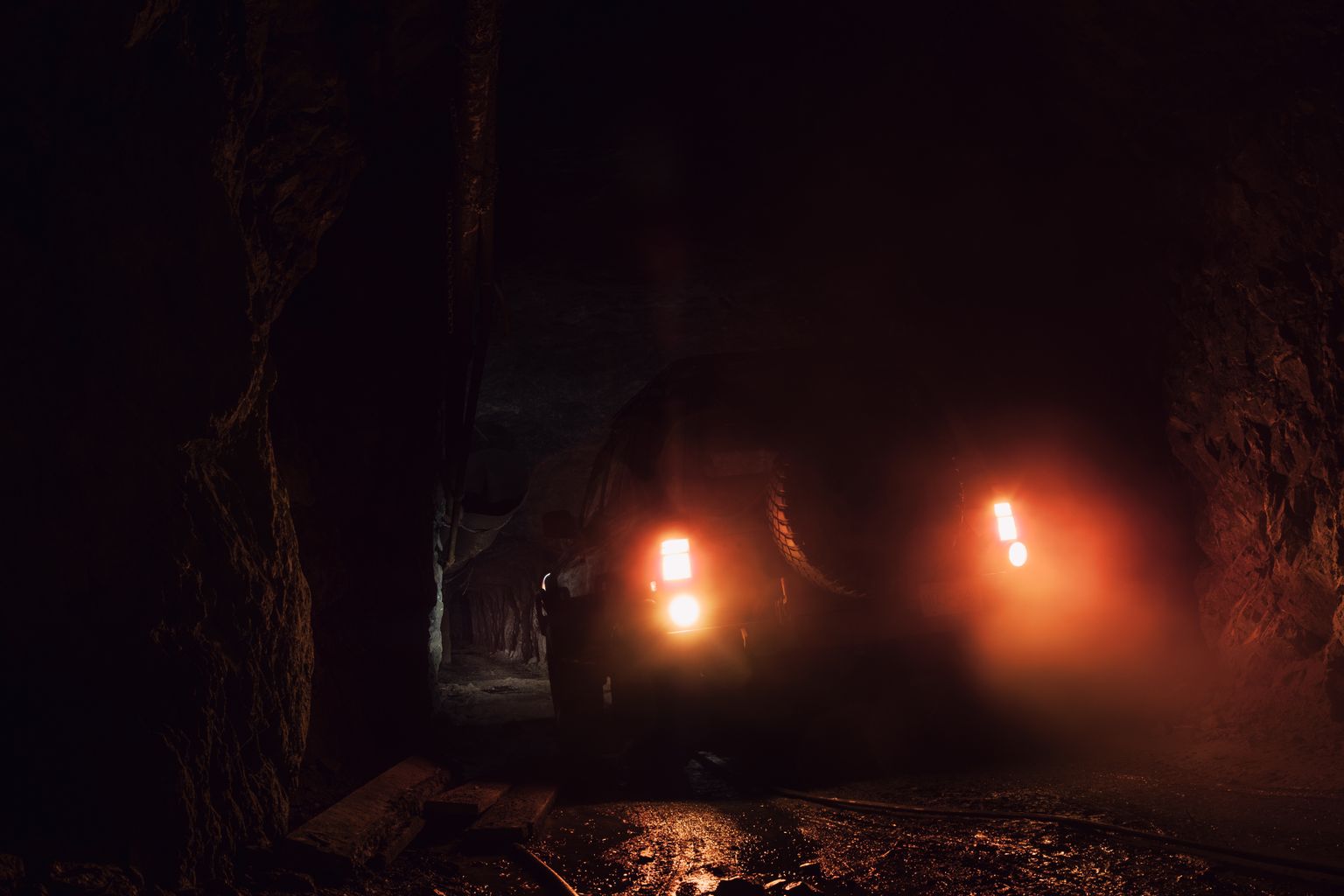
Load and haul is deceptively simple in outline and unforgiving in practice. Broken material has to move from the face or stope to a tip, a crusher, a pass or a truck, and it has to move at the rate production expects. When load and haul falls behind, everything upstream backs up; when it runs ahead of plan, fleet hours and maintenance costs climb without adding tonnes.
The discipline here is consistency more than speed. Cycle times, bucket factors, road conditions, ventilation, truck sizes, loading points and dumping points all interact, and small degradations across half a dozen variables show up as a single number: tonnes per hour. Why Consistency Drives Underground Load and Haul Performance walks through why repeatability beats peak performance over a month of production.
Backfill and paste support: closing the loop
Modern underground mining rarely leaves voids open for long. Backfill — cemented or uncemented, rock or paste — closes the mining loop: it supports adjacent stopes, controls ground, manages voids and, in the case of paste backfill, puts a portion of the tailings stream back underground instead of into surface storage.
Paste systems demand their own discipline. Reticulation design, pour scheduling, barricade construction, quality control on the mix, and coordination between the surface plant and the underground crew all have to line up. A paste pour that arrives too early, too late, or at the wrong strength creates problems that are expensive and slow to recover from.
The infrastructure behind this is often underestimated. Paste lines, boreholes, barricades, drainage and ventilation all have to be planned as part of the mining system, not as an afterthought. Why Underground Backfill Infrastructure Matters to Safe Production covers the practical side of that.
Equipment readiness and support: the base the chain runs on
Every discipline above depends on equipment that is available, reliable and supported by a maintenance system that does not let small defects grow into unplanned downtime. Underground equipment works in one of the harshest operating environments in industry; pre-starts, scheduled servicing, component change-outs and rebuild planning are not administrative overhead, they are the base the whole operation sits on.
Readiness starts before a machine ever gets to site. Machines that arrive prepared, crews that arrive trained on them, spares and service support already in place — these are the things that turn a mobilisation into a productive start rather than a slow ramp-up. Why Equipment Readiness Starts Before the Mine goes into what that looks like in practice.
What a capable underground contractor actually brings
For mine owners and managers choosing who to trust with this work, the question is not really about any single discipline. It is about whether the contractor can bring the whole chain together: development, ground support, production drilling, load and haul, backfill, equipment readiness and the people to run it — under one standard of planning, safety and accountability.
That is the standard AZROC works to. We deliver integrated underground mining services across development, production drilling and backfill, equipment and skilled crews, and technical support, and we build our teams around the disciplines above rather than around individual machines or scopes. If you are planning an underground project or reviewing how an existing operation is supported, we are happy to talk through how that looks on your site. Get in touch with the AZROC team or explore our full range of underground mining services.