
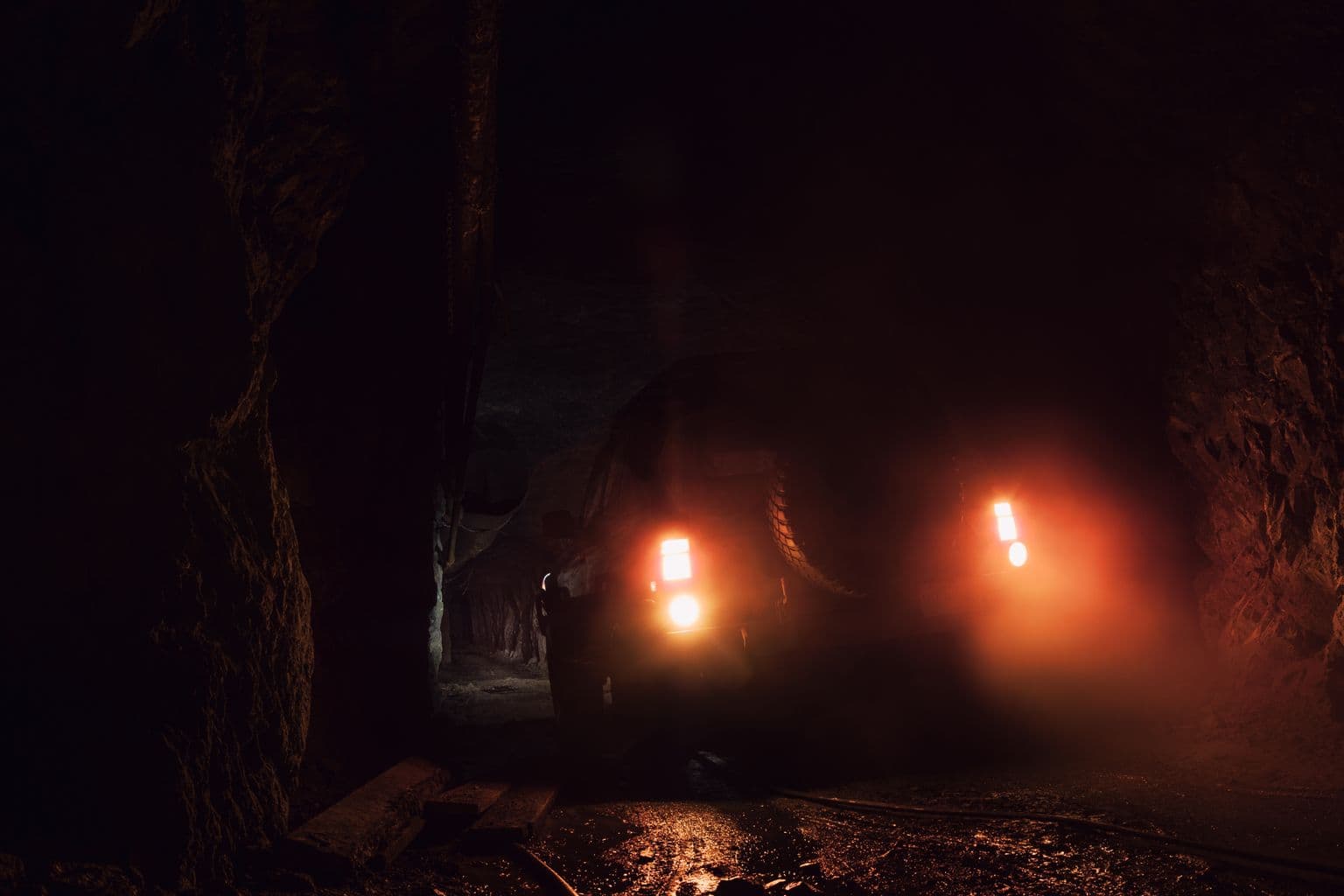
A cable bolt is a simple idea — a flexible steel tendon grouted into the rock to reinforce a larger excavation — but its performance is decided almost entirely at installation. The same bolt, drilled and grouted well, holds ground for the life of the stope; drilled or grouted poorly, it can fail to engage the rock at all.
For engineers and superintendents, the question is not which bolt to buy. It is whether the installation is being executed and verified to the standard the ground support design assumes. This is the quality chain behind cable bolting, and where it most often breaks down. Get the chain right and the support does its job quietly for the life of the excavation; get it wrong and the first sign of trouble is often the ground itself.
Design sets the target, installation has to meet it
A ground support design specifies what each cable bolt is expected to do: the bolt length, the pattern and spacing, the grout coverage, and the timing of installation relative to the excavation sequence. Those assumptions only hold if the bolt is placed as designed.
The gap between design and reality is where support fails. A bolt drilled short, off-angle, or into the wrong horizon does not provide the reinforcement the design counted on. A bolt installed too late — after the ground has already started to move — is working against conditions it was never sized for.
The design is the target. Installation quality is whether the support actually reaches it.
Timing matters as much as position. Cable bolts are often specified as part of a sequence — installed before a development heading advances further, or before a stope is opened up beyond a safe stand-up time. A correctly placed bolt installed a week late may be reinforcing ground that has already begun to relax. Stand-up time and installation sequence are part of the design intent, and they need to be respected on the ground, not just in the plan.
Drilling is the first accuracy control
Cable bolting starts with the hole. The same accuracy disciplines that apply to production drilling apply here:
- Position — collared on the marked location so the pattern performs as designed
- Length — drilled to the designed depth, because a short bolt leaves unreinforced ground at the back of the excavation
- Angle — matched to the design so the tendon crosses the structures it is meant to anchor into
- Hole condition — clean and stable, so the grout can travel and bond along the full length
- Hole size matched to the tendon — a hole too small or too large compromises grout annulus and bond
A hole that wanders or comes up short cannot be fixed by grouting. The tendon will only reinforce the ground it actually reaches. This is the same accuracy discipline that governs production drilling — the hole is the foundation the rest of the work builds on.
Grouting is where the bolt bonds — or does not
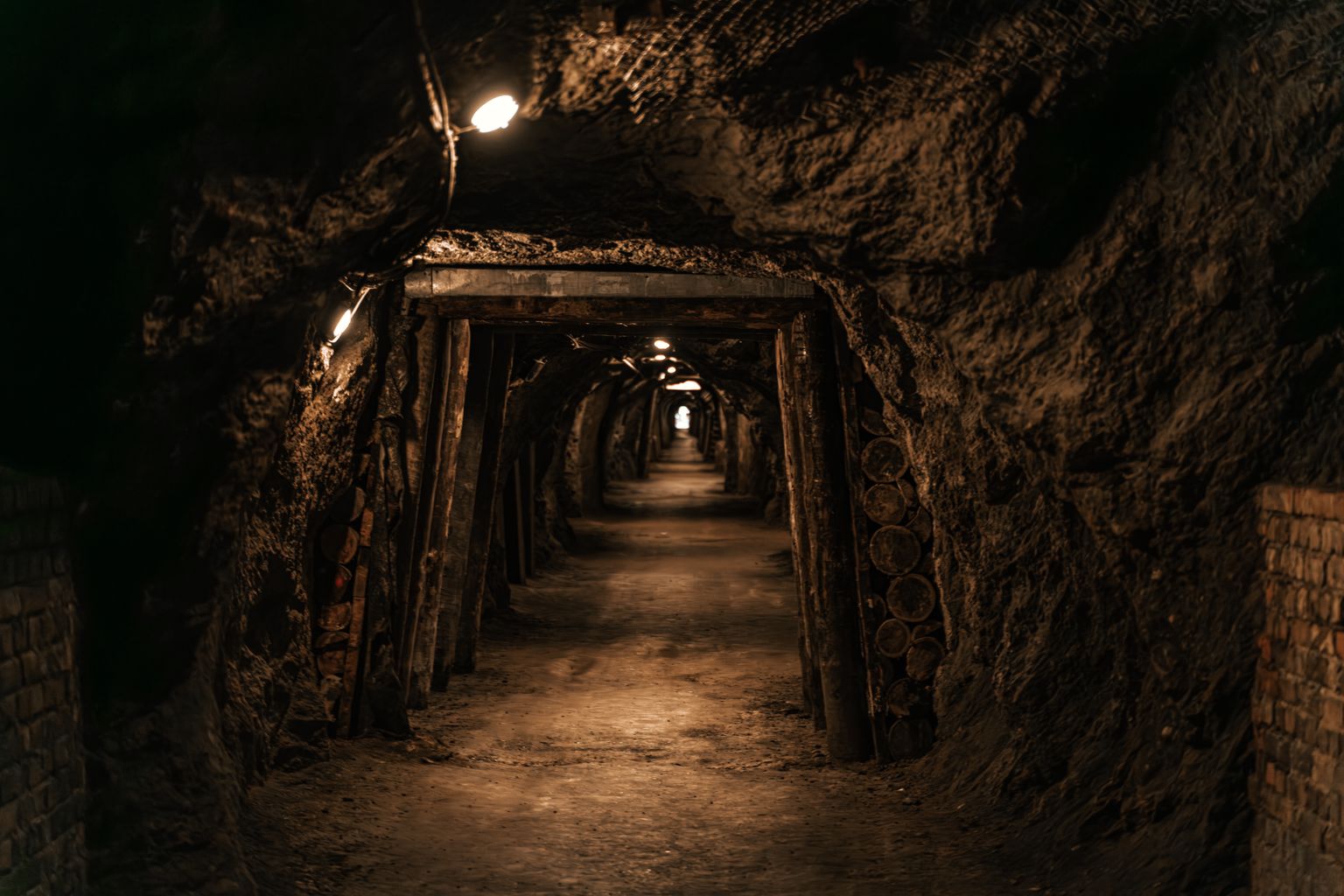
The grout is what transfers load between the cable bolt and the surrounding rock. If the grout does not fill the annulus fully, or does not reach the full depth of the hole, the bolt is only partially engaged — sometimes only at the collar.
Quality grouting depends on:
- Correct mixing and consistency — matched to the manufacturer's specification and the site's procedure
- Full-column placement — the grout pushed to the back of the hole so the entire tendon is encapsulated
- No voids or wash-outs — the annulus filled without gaps that leave the bolt unbound
- Curing before load — the support not asked to carry ground until the grout has gained its strength
Cable bolts can be tensioned or installed fully grouted and untensioned, depending on the ground conditions and the support function they are performing. The critical point is the same in both cases: full, void-free encapsulation along the entire length. A partially grouted bolt concentrates load where it is bonded and leaves the rest of the tendon doing nothing.
This is not a step to rush. A grouting failure is often invisible from the collar — the bolt looks installed, but underground it is only partly working.
Verification closes the loop
Ground support is safety-critical, and safety-critical work gets verified. The checks that matter:
- Installation record — every bolt logged against the plan: location, depth, grout volume, operator, time
- Grout confirmation — volume or return confirming the annulus is filled, not just assumed
- Pattern compliance — installed count and location checked against the design before the area is handed over
- Condition follow-up — the supported excavation monitored for movement, with early signs investigated rather than explained away
Verification is how a site knows the support that was designed is the support that is actually in the ground. It is also the difference between ground control that is managed and ground control that is hoped for — a distinction that shows up most clearly when conditions change.
The same discipline protects the crew and the support
The behaviours that produce good cable bolting are the same ones that keep people safe underground. A pre-start on the rig before drilling, a risk assessment at the face, a check of the ground conditions before the crew enters the supported area, clear communication between the driller and the grouting crew — these are not separate from quality; they are how quality happens.
Ground support is safety-critical work, and it is delivered through operational discipline rather than slogans. Planning, pre-starts, inspections and hazard identification are the mechanism. The bolt only protects the crew because the crew followed the procedure that protects the bolt.
Installation quality is a system, not a single trade
Consistent cable bolting quality comes from the system around the operator: a clear design, an accurate drill plan, maintained equipment, disciplined grouting, and verification that ties it all back to the design. Where that system is strong, ground support performs predictably across crews and across stopes. Where it is weak, the same problems reappear — short bolts, poorly grouted annuli, and ground that should have been supported quietly starting to move. It is one link in the wider underground mining disciplines, and it inherits the quality of the work done before it.
For a site planning cable bolting work, the useful questions are practical: Who is drilling and grouting, against what standard, and how is it being verified? Those answers matter more than the bolt catalogue.
AZROC holds full cable bolting capability in-house, supported by our Sandvik DS420C and an experienced underground crew, and the same disciplines carry through the wider ground support scope. If your operation needs additional ground support capacity, or support integrating cable bolting with development and production, get in touch or see our underground services.