
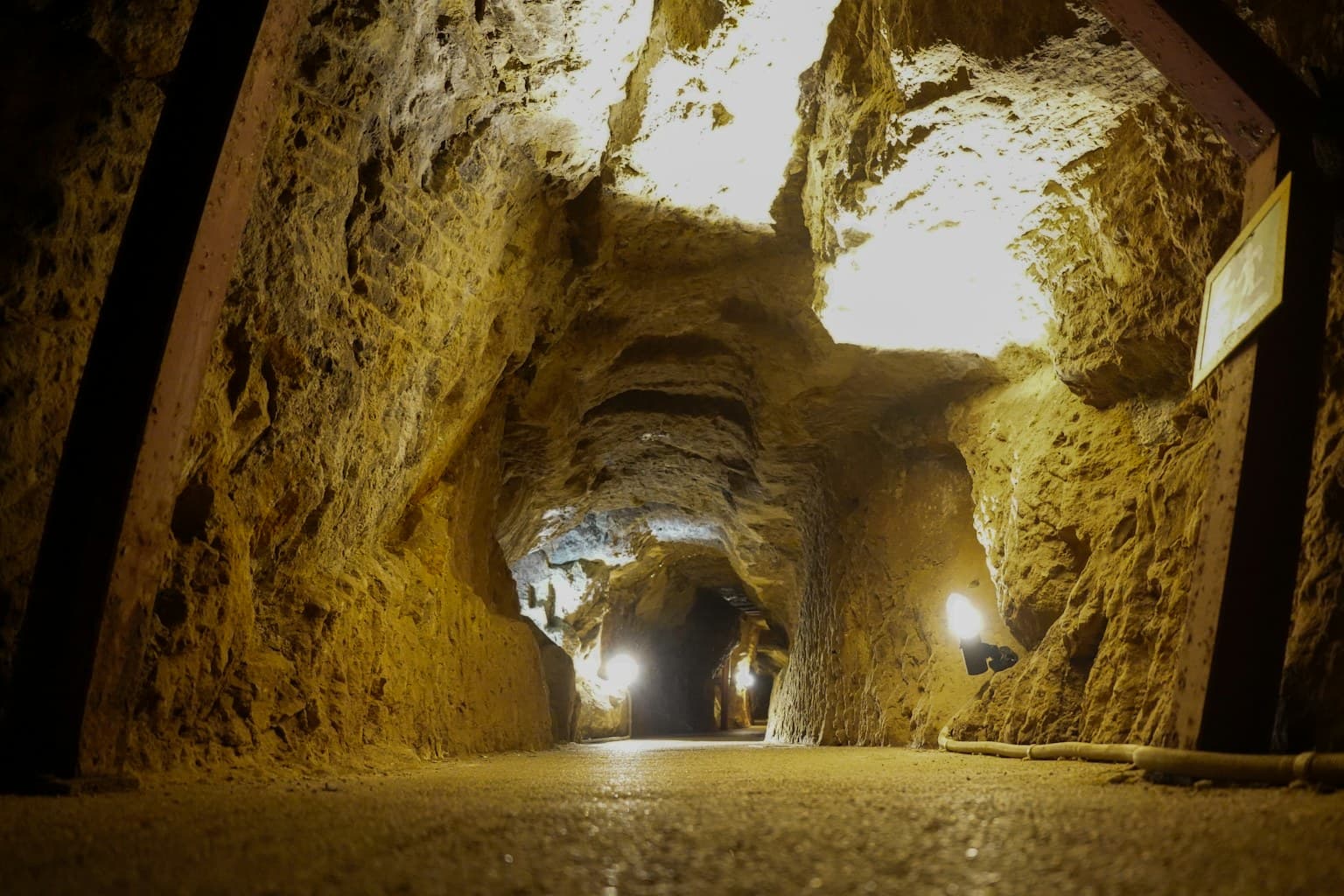
Production drilling is the point where a stope stops being a design and starts being ore. The development is in place, the ground is supported, and the rings are about to be drilled that will shape how much of the reserve is recovered, how much waste comes with it, and how cleanly the broken ground flows through the next stages of the cycle. Done well, it is a quiet, repeatable discipline; done poorly, it is the origin of most of the problems the rest of the cycle has to absorb.
Get production drilling right and the stope performs to plan. Get it wrong and the cost shows up everywhere downstream — in dilution, in oversize, in bogging delays, in ore left behind.
What production drilling actually is
Production drilling is the systematic drilling of the holes that will be charged and fired to break the stope. In underground hard-rock mining it is most commonly longhole drilling — long, parallel or fanned holes drilled from a drilling level into the orebody — although production can also be drilled from development headings with jumbos for shorter stopes.
The distinction from development drilling matters. Development opens access and creates the workings; production drilling is about breaking the ore. It is drilled to a ring design that controls burden, spacing and hole length so the blast delivers the fragmentation the downstream circuit is built around.
The ring itself can take a few forms. Parallel rings drill a regular pattern of holes at the same orientation; fanned rings sweep a spread of angles from a single drilling location to cover the stope. Holes may be drilled up into the back, down into a slot, or a combination, depending on the orebody geometry and the drilling level available. The choice is driven by the ground, the access and the blast design — not by the rig's preference.
It is planned before the first hole is drilled
Production drilling starts long before the rig arrives at the face. The inputs that matter:
- Stope design — the geometry the blast is meant to produce, reconciled against actual development as-built and any void surveys
- Ring design — the pattern of holes, their angle, length and charge, sized to the ground and the desired fragmentation
- Ground conditions — the rock mass behaviour that determines how the holes hold together before firing
- Sequence — how drilling fits between development, ground support, charge-up and the next production stage
A ring drilled without these inputs is a guess. A ring drilled to them is the first step in delivering the reserve the mine plan is counting on.
Accuracy sets the ceiling
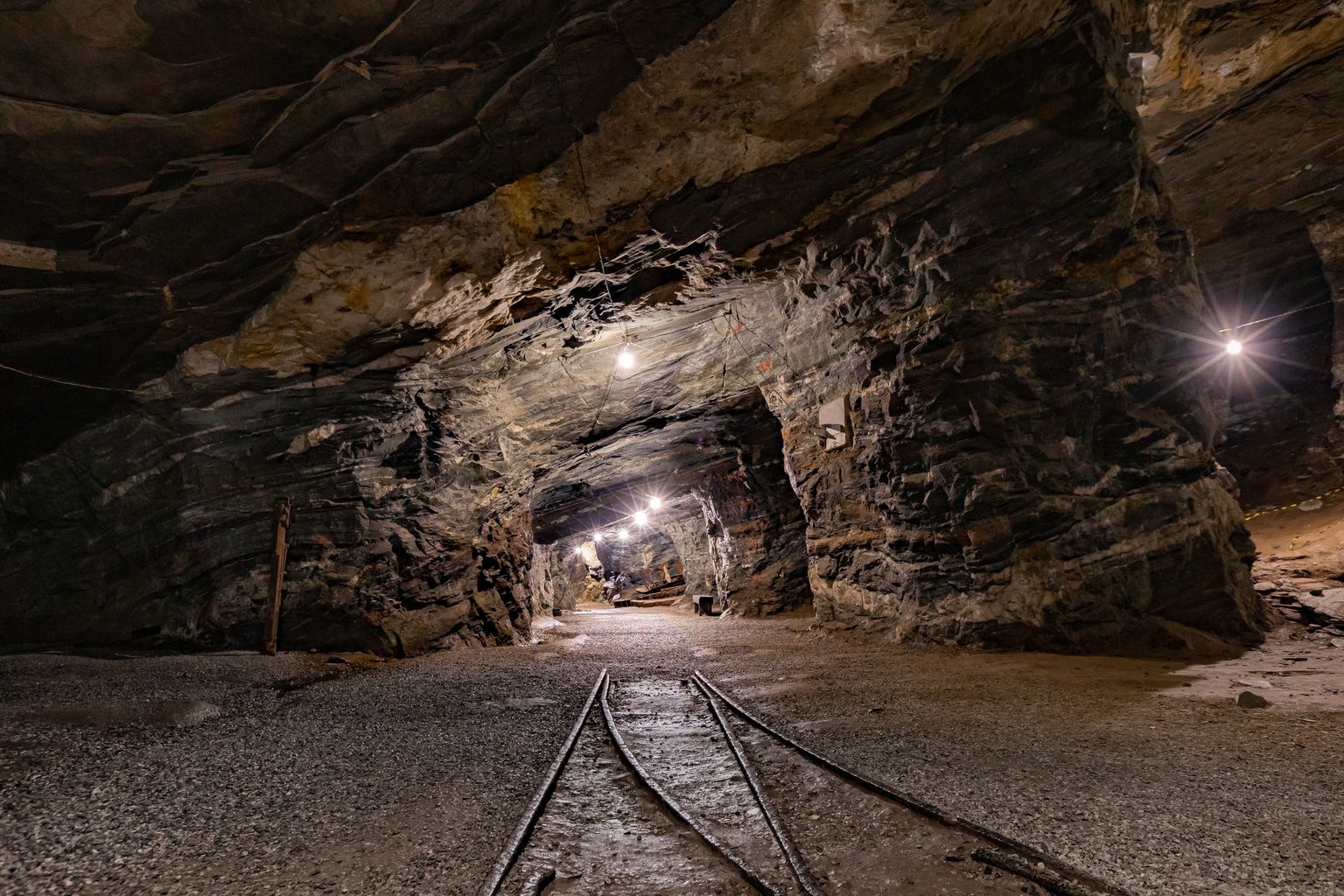
The blast can only work with what the drill pattern gives it. Holes that drift off design change the burden and spacing the explosives were tied to, and the consequences land in fragmentation, dilution and recovery — the same accuracy discipline covered in more depth in our longhole drilling accuracy piece. For production drilling, the point is that the entire downstream circuit is sized to the assumption that the holes are where the plan says they are: the bogging rates, the crusher, the mill throughput and the muck profile all depend on ground broken the way the design intended.
Drilling is one stage in a sequence
Production drilling does not stand alone. It is the middle of a chain:
- Development and ground support create and secure the drilling level and the openings the stope needs
- Production drilling drills the rings to the design
- Charge-up loads and fires the holes
- Load and haul moves the broken ore to the stockpile or processing circuit
- Backfill stabilises the void so the next stope can be mined
Each stage inherits the quality of the one before it. A drilling level that is tight or poorly supported slows the rig; a ring drilled off-plan hands charge-up a problem; poor fragmentation slows load and haul; a stope that is not filled on time delays the next one. This is the wider picture of the disciplines behind the delivered metre.

The handoff to charge-up
Production drilling is only complete when the holes are ready to be loaded. The driller's record is the charge crew's starting point: depths confirmed, holes checked for blockages or sloughing, and anything that will affect charging flagged before the crew moves on.
A short or blocked hole discovered at the rig is cheap to deal with. The same hole discovered during charging — or worse, inferred from a poor blast — costs a return visit and a compromised ring. The discipline of recording and handing over drilling information is part of what makes the blast deliver what the plan promised.
What a contractor needs to plan for
For an operation bringing in production drilling support, the practical questions are about readiness and fit, not just metres:
- Equipment fit — a rig sized to the hole diameter, length and the access available in the drilling level
- Crew competence — drillers who can hold a ring to design across a full shift, not just on the first hole
- Integration — the drilling crew working with technical services, charge-up and the production schedule rather than against them
- Measurement — deviation and depth recorded so the next ring improves on the last
There is also the question of pace. A production drill can be pushed for metres per shift, but metres are not the deliverable — a stope broken to plan is. The crews and schedules that perform best are the ones that treat accuracy and completion of the ring as the measure, with drilling rate as the means to it rather than the target itself.
These are the same disciplines that make load and haul consistent and backfill reliable — the stope does not care which crew drilled it, only whether the ground was broken to plan.
Production drilling decides the outcome
Every recovered tonne is shaped by work done weeks earlier at the drill rig. Production drilling sets the ceiling on what the stope can deliver: the recovery, the dilution, the fragmentation, and the ease with which the rest of the cycle runs. It is not the most visible stage of underground mining, but it is one of the most consequential — the difference between a stope that pays and one that has to be worked around.
AZROC supports underground production through experienced drilling crews, maintained equipment and the planning discipline that keeps rings on design. If your operation needs additional production drilling capacity, or support integrating drilling with development, charge-up and backfill, get in touch or see how our production drilling and backfill services fit a coordinated underground scope.