
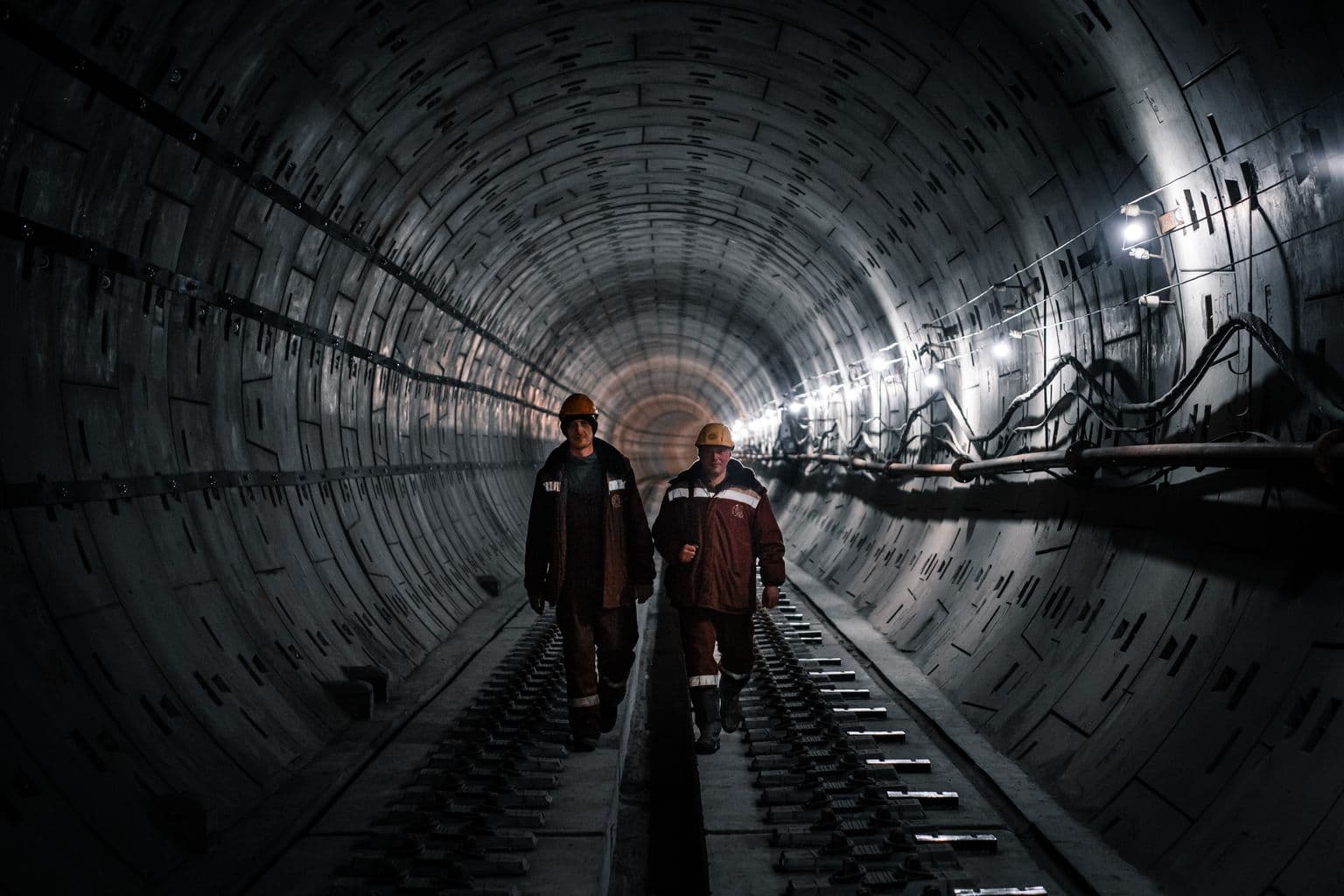
Every tonne delivered from a stope is shaped by work done weeks earlier at the drill rig. Longhole drilling is where the stope design either survives contact with the rock mass or starts to unravel — and once the holes are drilled, there is no cheap way back.
For production drilling crews, the job is not metres per shift. It is putting every hole where the design says it should be, at the depth it should reach, so charge-up and firing deliver the fragmentation, dilution and recovery the mine plan depends on. Drilling to metre targets alone optimises the wrong number — a stope drilled fast but inaccurately hands its cost to every discipline downstream.
This is what drives accuracy underground, and where it most commonly breaks down.
Why hole accuracy sets the ceiling on stope performance
A blast can only work with what the drill pattern gives it. Holes that drift off design change the burden and spacing the explosives were tied to. Toe deviation leaves undrilled ground that comes out as oversize or hangs up in the stope. Collar position errors skew the ring and create voids, tight ground or poor wall control.
The consequences show up downstream:
- Fragmentation — poor burden distribution produces oversize that slows bogging and blocks drawpoints
- Dilution — holes that break into fill, backs or walls pull waste into the ore stream
- Recovery — unbroken toes and bridges leave payable ground locked in the stope
- Cycle time — re-drills, reaming and secondary breaking burn hours the schedule does not have
None of these are drilling problems in isolation. They are drilling-accuracy problems that become production problems. It is why longhole drilling has to be treated as a technical and operational activity, not simply a machine task — the reliable longhole drilling support a stope gets is set long before firing.
It starts with the plan and the mark-up
Accuracy begins before the rig moves. The drill plan needs to match the actual stope geometry — void measurements, pick-ups and as-builts — not the design model alone. Where the cavity monitoring survey and the design shell disagree, the plan needs to be reconciled before drilling starts, not discovered at charge-up.
Collar mark-up is the next control point. Reference lines, drill bays and ring positions marked from surveyed pegs, checked against the plan, give the operator a pattern that can actually be drilled to design. A rushed or inaccurate mark-up puts the crew behind before the first hole.
Rig set-up: where accuracy is won or lost
Most deviation is introduced in the first few metres. A rod string follows the path the collar sets for it, and once the first metres are off line, the rest of the hole compounds the error. Set-up discipline is the control:
- Alignment — rig aligned to the ring plane using the site's standard laser and instrument process, with independent checks before drilling
- Collaring — controlled collaring that holds the rod on the marked point, without walking or skidding off hard ground
- Rod handling — correct coupling, straight rods and worn components removed from the string before they introduce wander
- Ground conditions recognised early — voids, soft bands, faults and prior workings change how the hole behaves; set-up pressure and feed rates need to adjust to the ground, not fight it
A well set-up rig drills straighter holes with less effort than a poorly set-up rig can force. Time spent on alignment pays for itself in every subsequent hole on the ring — time saved at set-up is paid back with interest in deviation, re-drills and lost blast performance.
Holding accuracy over long holes
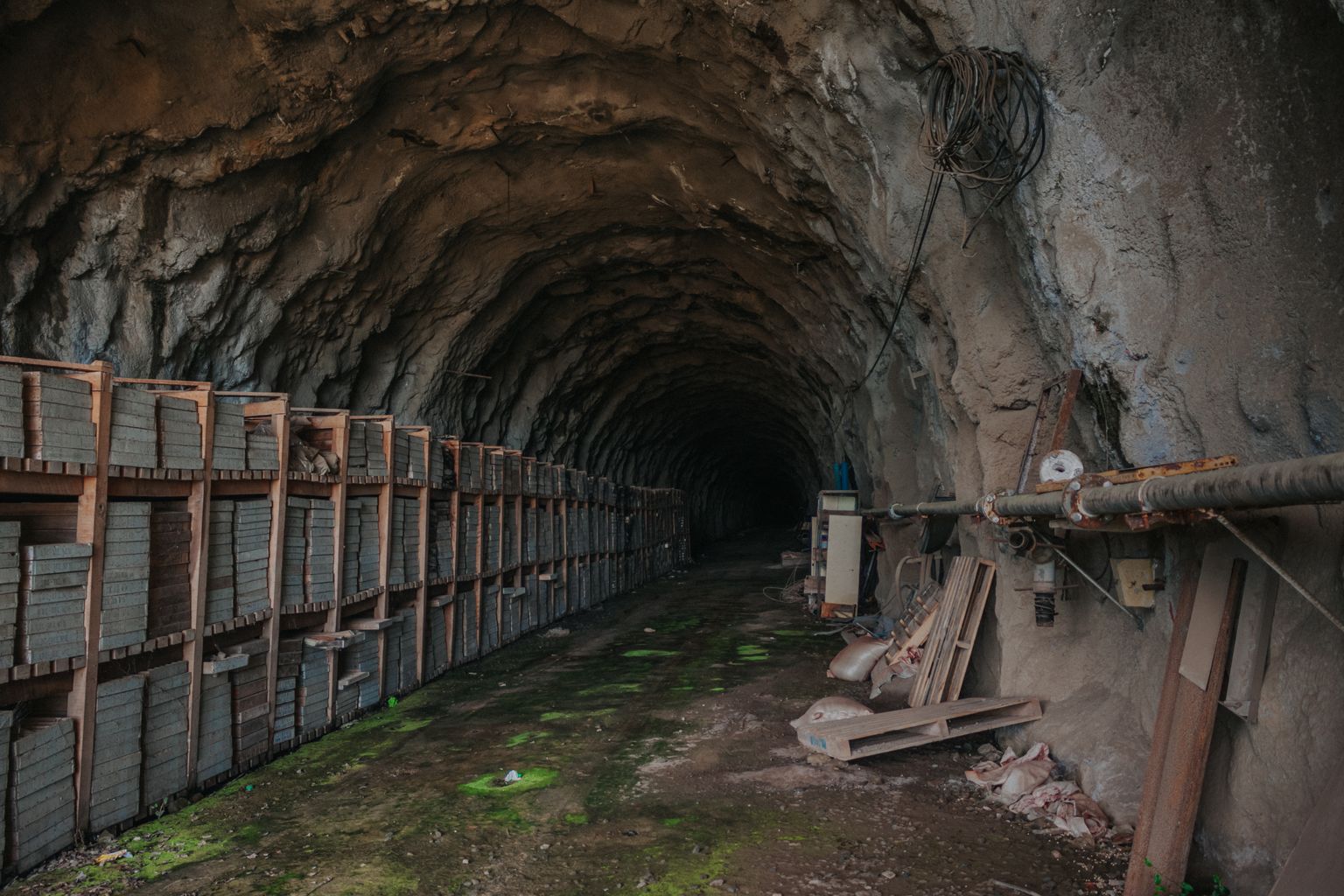
Deviation accumulates with depth, and longer holes are less forgiving. Practice that holds accuracy over the full length:
- Consistent feed and rotation — steady parameters matched to the rock, not pushed for penetration at the expense of straightness
- Bit and steel condition — worn bits and bent rods are deviation machines; tooling condition is an accuracy control, not just a cost line
- Flush management — poor hole cleaning loads the bit and deflects the string; keeping the hole clean keeps it straight
- Knowing the design limits — the longer the hole and the flatter the angle, the less deviation the pattern can absorb before the blast suffers
Where sites measure deviation, the data should feed back into how the next ring is drilled, not just into a report. Deviation history by ground type, by hole length and by rig tells a technical services team where the design assumptions are holding and where they need adjustment — patterns that no single ring can show.
Verification before charge-up
Drilling is not finished when the hole bottoms out. Verification closes the loop:
- Depth confirmation — every hole confirmed against design depth before it is accepted
- Deviation survey where the site requires it — holes outside tolerance identified early so the ring design or charge plan can be adjusted
- Hole condition — blockages, sloughing and water identified at the rig, communicated to charge-up, and managed before loading
- Clear handover — the driller's record is the charge crew's starting point: depths, problems, and holes to treat with care
Crews that verify as they drill give the stope its best chance of performing to plan.
It is also the cheapest point in the cycle to fix a problem. A short hole discovered at the rig can be re-drilled or the charge plan adjusted. The same hole discovered during loading — or worse, inferred from a poor blast — costs shift time, explosive performance and often a second visit from the drill crew. Verification minutes at the end of drilling save hours everywhere else.
Accuracy is a system, not an operator trait
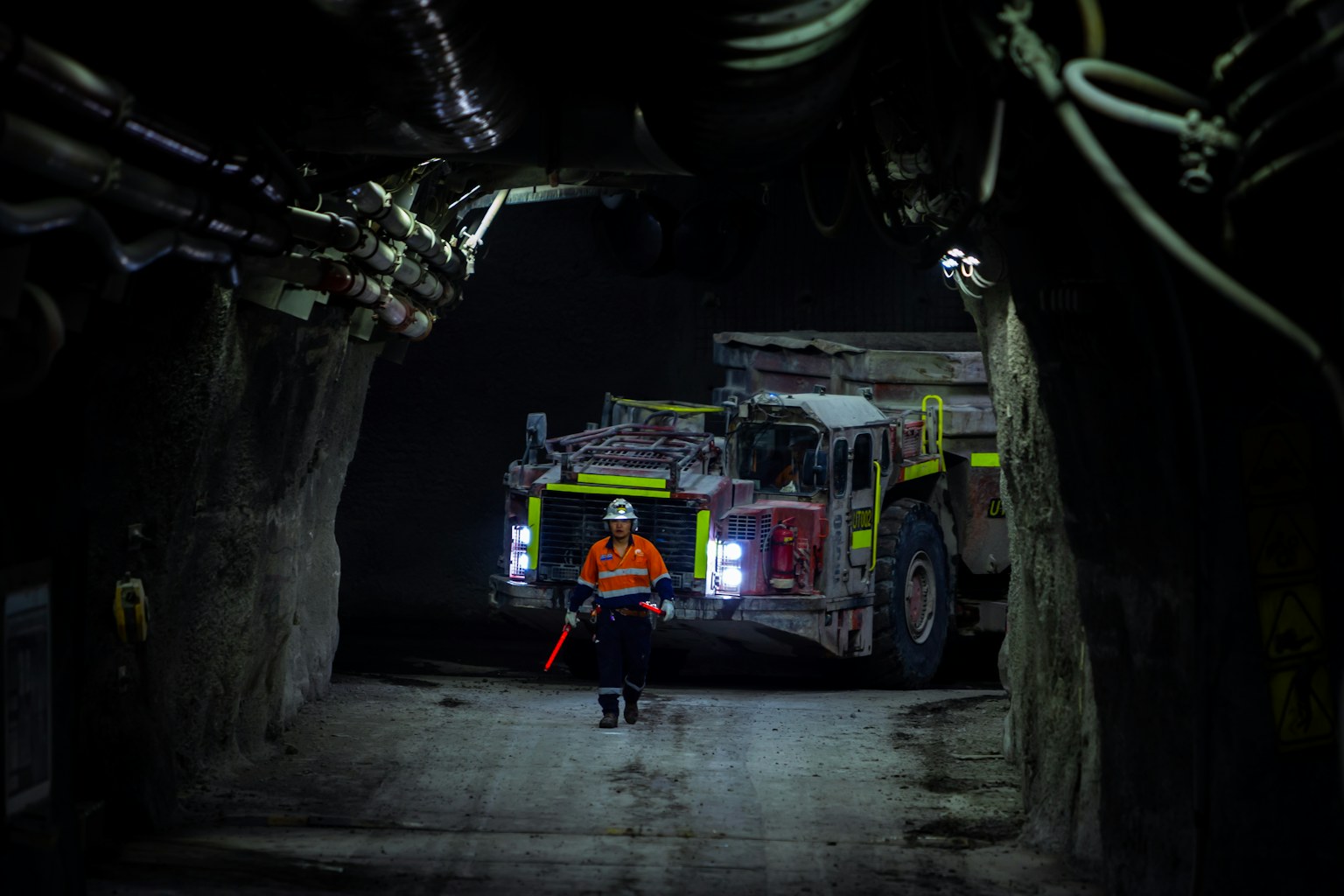
Individual skill matters, but consistent accuracy comes from the system around the operator: current void data, a workable plan, a disciplined mark-up, maintained equipment, standard set-up checks, verification, and a feedback loop from the blast result back to the drill crew.
Where that system is strong, drilling quality is repeatable across crews and across stopes. Where it is weak, every stope is a fresh negotiation with the rock. Mines that treat drilling accuracy as a system get the benefits in fragmentation, dilution and recovery — and they get them consistently, because consistency in one discipline carries the ones around it. The same holds across the disciplines behind the delivered metre: each stage inherits the quality of the one before it.
AZROC supports underground production with experienced longhole drilling crews, maintained equipment and the planning disciplines that keep rings on design. If your operation needs additional drilling capacity or support integrating drilling with development, charge-up and backfill, get in touch or see how our production drilling and backfill services fit into a coordinated underground scope.