
Backfill looks like the end of a mining cycle — the material that goes back in after the ore comes out — but underground it is really a beginning. A stope that has been fired and filled becomes the ground that lets the crew open up the stope beside it. Get the fill right and the sequence keeps moving; get it wrong and a whole section of the mine can stall, waiting on ground that was supposed to be stable.
For planners and superintendents, backfill is not a materials-handling task. It is a production decision. Two things decide whether it works: the method chosen for the ground and the sequence, and the discipline with which the fill is actually placed. This is that quality chain, and where it most often comes apart.
The method is chosen for the ground, not for convenience
The main families of underground backfill — hydraulic fill, cemented paste backfill and cemented rock fill — each suit different ground and different sequencing.
- Hydraulic fill is water-carried tailings or sand that drains in place. It is economical but leaves water to manage and relies on drainage working as designed.
- Cemented paste backfill blends tailings, cement and water into a thick, non-segregating slurry that does not drain. It stands up as a self-supporting mass and gains strength as it cures.
- Cemented rock fill combines aggregate or waste rock with cement, placed and compacted where higher strength or immediate stand-up is required.
The choice is driven by what the next stope needs the fill to do, and by when. The stand-up time the mine plan assumes, the strength the adjacent stope requires, the tailings and water available on site, the drainage and water-handling the operation can support, and the cycle time the fill can be placed within all weigh on the decision.
The method is not a preference. It is an engineering answer to the sequence. Choose a fill that develops strength too slowly and the sequence waits; choose one that needs drainage the site cannot manage and the water becomes its own problem.
The real tension sits between strength and time. A higher cement content buys faster strength and better stand-up, but it costs more and produces more heat; a leaner mix cures slower and holds up the firing schedule. The method and the mix are settled together, because the fill has to be strong enough at the moment the adjacent stope is fired, not eventually. That timing drives everything downstream — how many stopes can be in play at once, how much ground is standing open, and how hard the barricades are working while the fill cures.
The fill only works if it is placed to the design
Backfill performance is decided at placement, in the same way cable bolt performance is decided at installation. A well-specified paste that arrives at the stope segregated, under-strength or short-filled does not provide the support the design counted on.
The placement checks that matter:
- Mix consistency — cement content, solids density and water content matched to the specification, so the fill develops the designed strength.
- Full placement — the void filled to the design height and against the crown, not just to where the line reached.
- No segregation — a paste that separates into aggregate and water as it travels leaves weak, uneven fill.
- Cure before load — the fill given its design curing time before the adjacent stope is fired against it.
A fill that is placed short, or placed and then asked to carry ground before it has cured, is working against the design intent. The failure is usually invisible from the access — it shows up later, as the ground itself.
Barricades are where the fill meets the structure
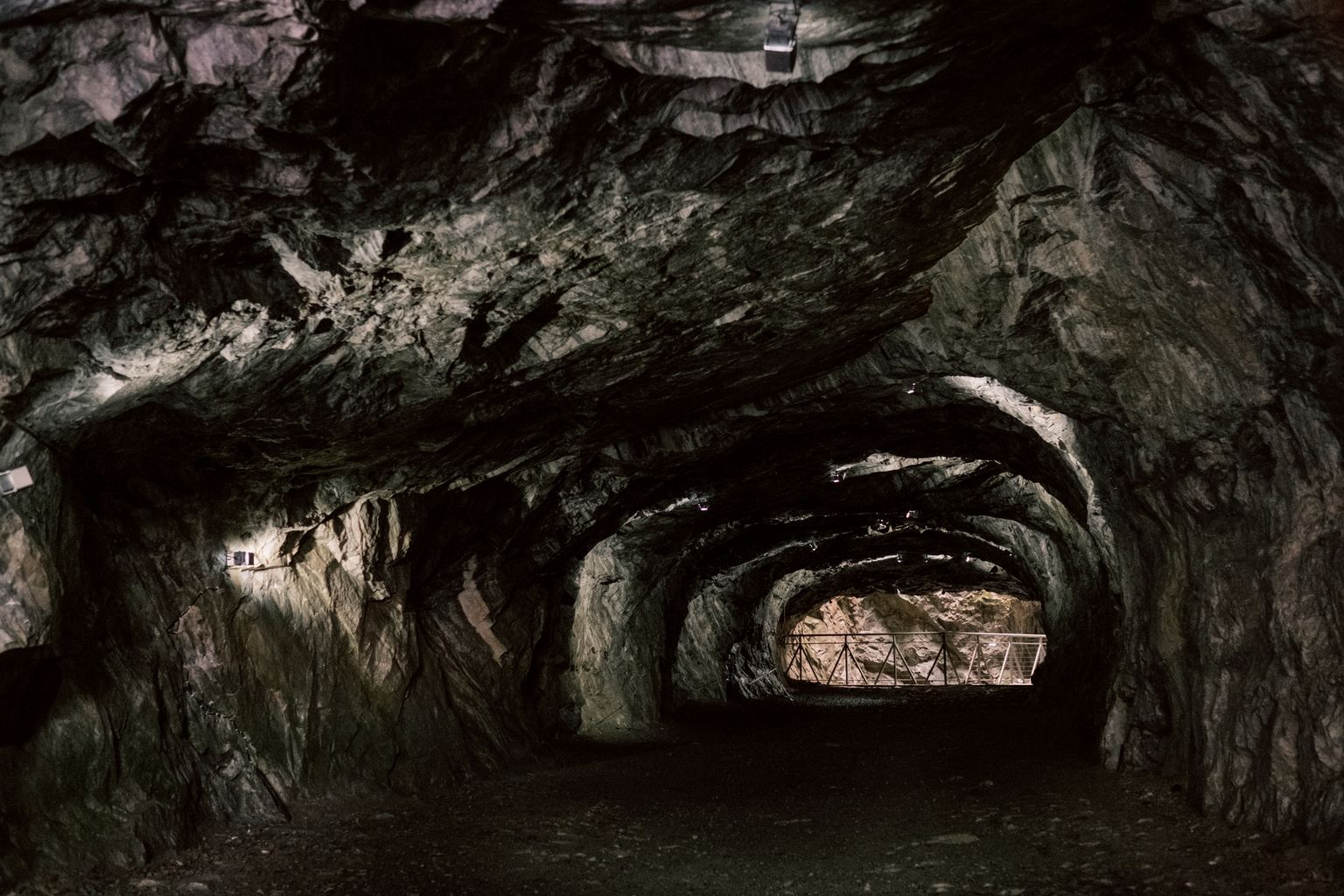
Backfill only stays where it is put because of the containment in front of it. The barricades and walls that hold the fill back are the point where the fill meets the underground infrastructure built to contain it.
A barricade that is under-designed, built short or not tied into the surrounding ground will not hold a full-height pour. The barricade design has to match the fill it will see — the pour rate, the head pressure and the drainage the fill needs. This is why backfill and ground support are planned together rather than one after the other.
Placement quality is a production decision, not a fill job
Backfill sits inside the production cycle, and its timing is part of the mine plan. The fill has to be ready when the stope is ready, placed within the available window and cured in time for the next stope to be fired. That makes it a scheduling problem as much as a materials one.
The behaviours that make this work are the ordinary disciplines of underground work done well: a plan that sequences fill with firing and development, a pre-start and inspection before the pour, clear communication between the paste crew and the production crew, and a handover that records what was placed and when. These are not separate from quality — they are how quality happens, and they are the same behaviours that keep people safe while the work is being done.
Backfill also has to line up with the blast. The fill is poured into a void the firing sequence has just created, and the next firing is planned against the fill's curing time. When a pour runs late, the ripple is not just one stope — the firing schedule, the development crews and the ground standing open behind them all shift. Scheduling the fill tightly against the blast is what keeps the whole sequence moving instead of stuttering.
Verification closes the loop
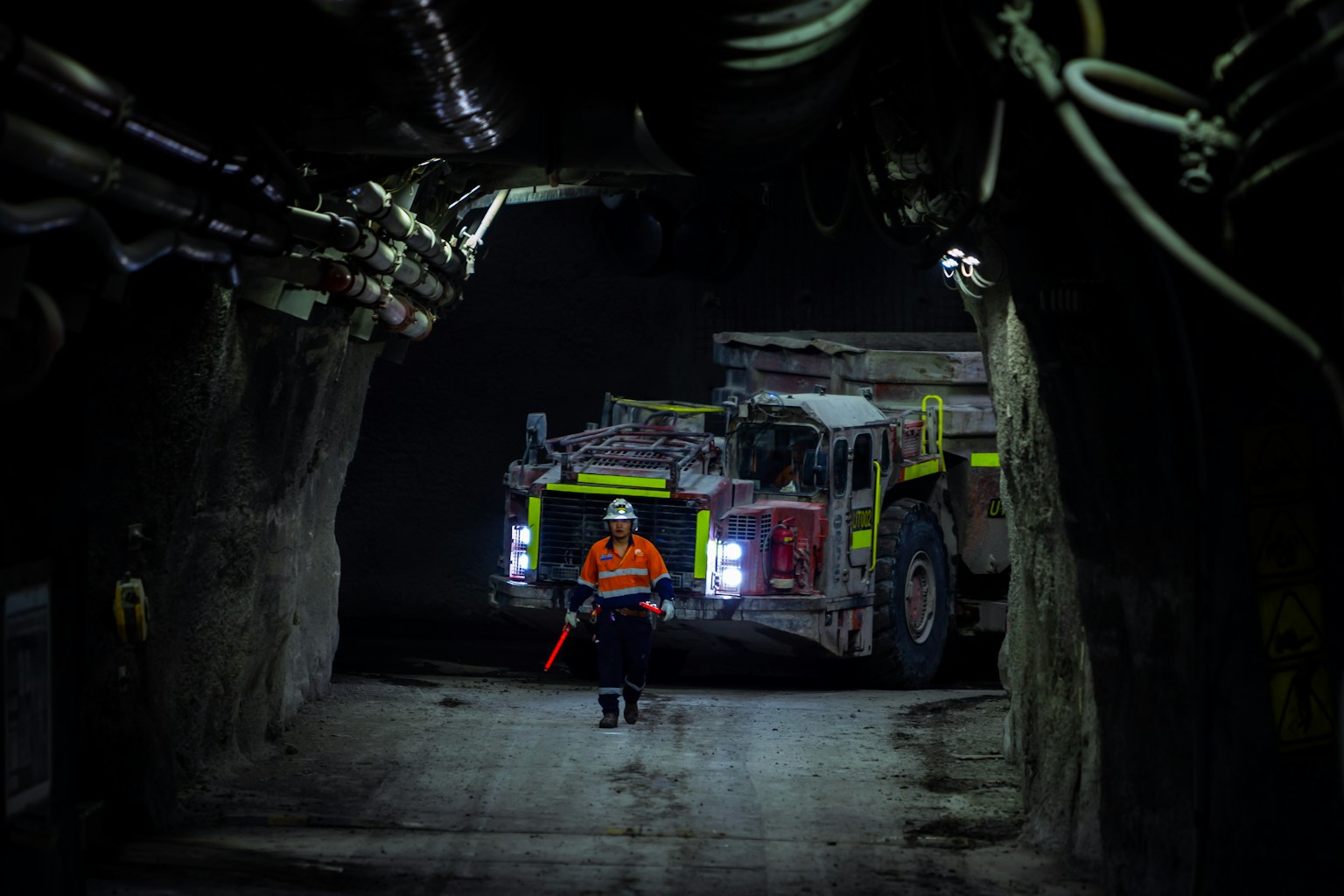
Backfill supports ground that people will later work against, so it is checked rather than assumed. The records that matter: the mix details against the specification, the volume placed against the design volume, the barricade inspection before and during the pour, and the cure time logged before the adjacent stope is opened up.
Verification is how a site knows the fill that was designed is the fill that is in the ground. It is also the difference between a stope sequence that is managed and one that is hoped for — a distinction that shows up most clearly when conditions change.
It also means watching for the early signs that a fill is not performing, and investigating them rather than explaining them away. Settlement at the top of a pour, water finding its way through a barricade, cracking in an exposed fill face — any of these is a signal to check what was actually placed against what was designed. The cost of investigating is a conversation; the cost of ignoring it is ground that was supposed to be supported quietly starting to move.
AZROC's paste crew delivers backfill and paste support as part of a wider production scope — paste preparation, barricades and stope backfill alongside production drilling and cable bolting — within the same underground mining disciplines. If your operation needs backfill capacity or support integrating backfill with the rest of the sequence, get in touch or see our production drilling and backfill services.