
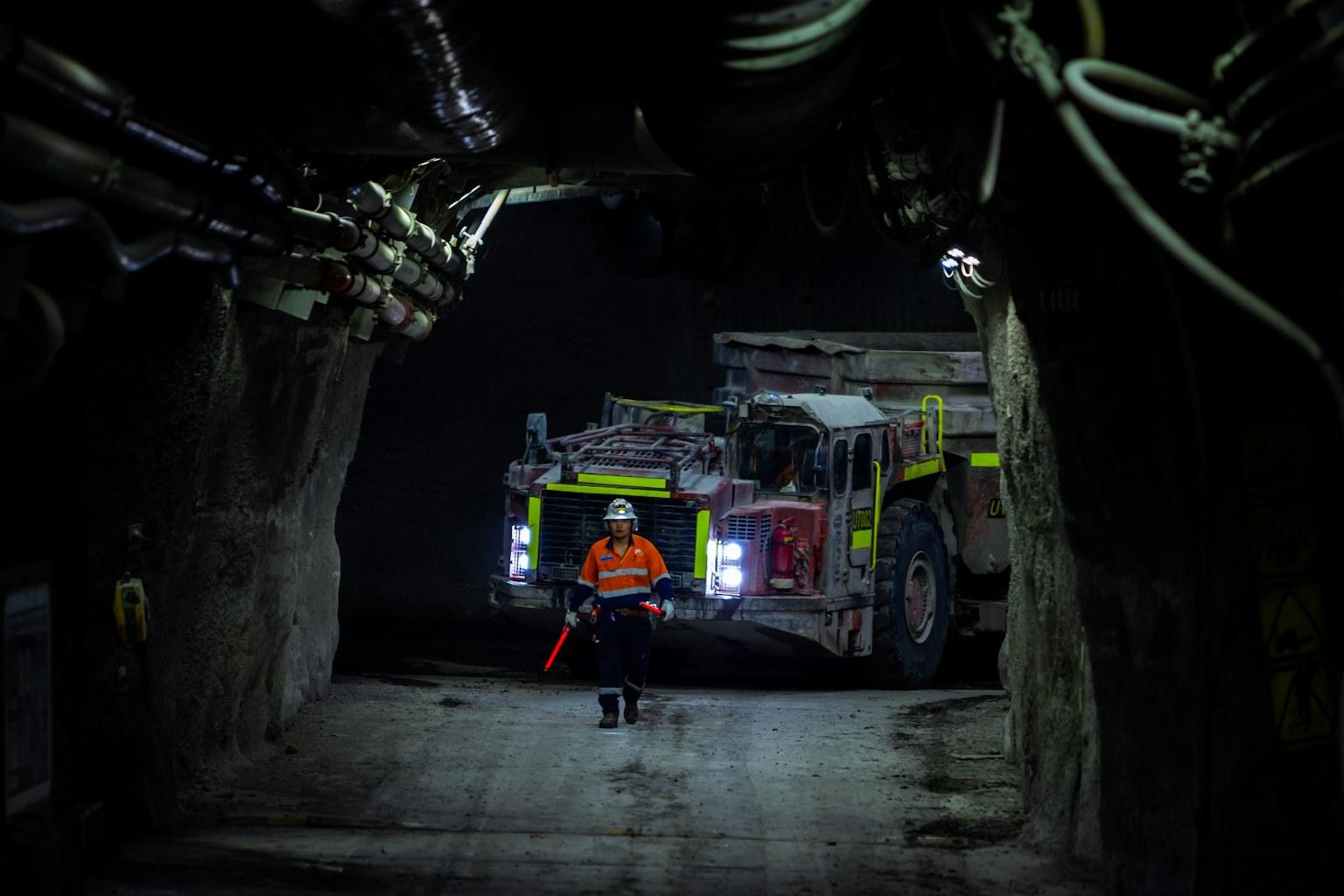
Underground mine development is the work that makes every other tonne possible. Before a single stope is drilled, charged or bogged, someone has to create the access that gets people, equipment, air and services to where the ore actually is — the declines, drives, crosscuts, ore drives and level accesses that turn a resource into a working mine. Development is often measured in metres, but its real output is optionality: every metre opened on schedule buys the operation the freedom to mine the next stope, and every metre late takes that freedom away.
Get development right and the rest of the cycle runs to plan. Get it wrong and the constraints surface everywhere — production drillers waiting on access, ground support crews fighting unfamiliar conditions, load and haul trying to keep up in headings that were never ready. This article walks through what underground development actually involves, and what good looks like when it is done well.
What development actually is
Development is the opening-up of the mine: the horizontal and inclined excavations that create access and establish the infrastructure the operation will run on. The main pieces:
- Declines — the inclined access that carries people, equipment and haulage between levels
- Drives — horizontal headings that open up the orebody or connect workings
- Crosscuts — short headings connecting a drive to the orebody or to another drive
- Ore drives and level accesses — the development that sits alongside the orebody so stopes can be drilled, charged and bogged
Each of these is a small mine in itself. They are developed with the same cycle — drill, charge, blast, bog, support — repeated again and again as the heading advances. The difference from production is intent: development opens access and creates the workings, while production drilling breaks the ore. But development is where the standard of the whole operation gets set, because it is the first ground the mine opens and the ground every later stage has to work around.
The face cycle: a repeatable sequence
Underground development advances one round at a time. The face cycle is the repeating sequence that turns a heading from solid rock to supported ground, ready for the next round:
- Drill — the face is drilled to a pattern sized to the ground and the blast
- Charge and fire — the round is charged and blasted, advancing the heading
- Bog — the broken ground is cleared so the next round can be set up
- Support — the freshly exposed ground is bolted, meshed and otherwise supported before anyone works under it
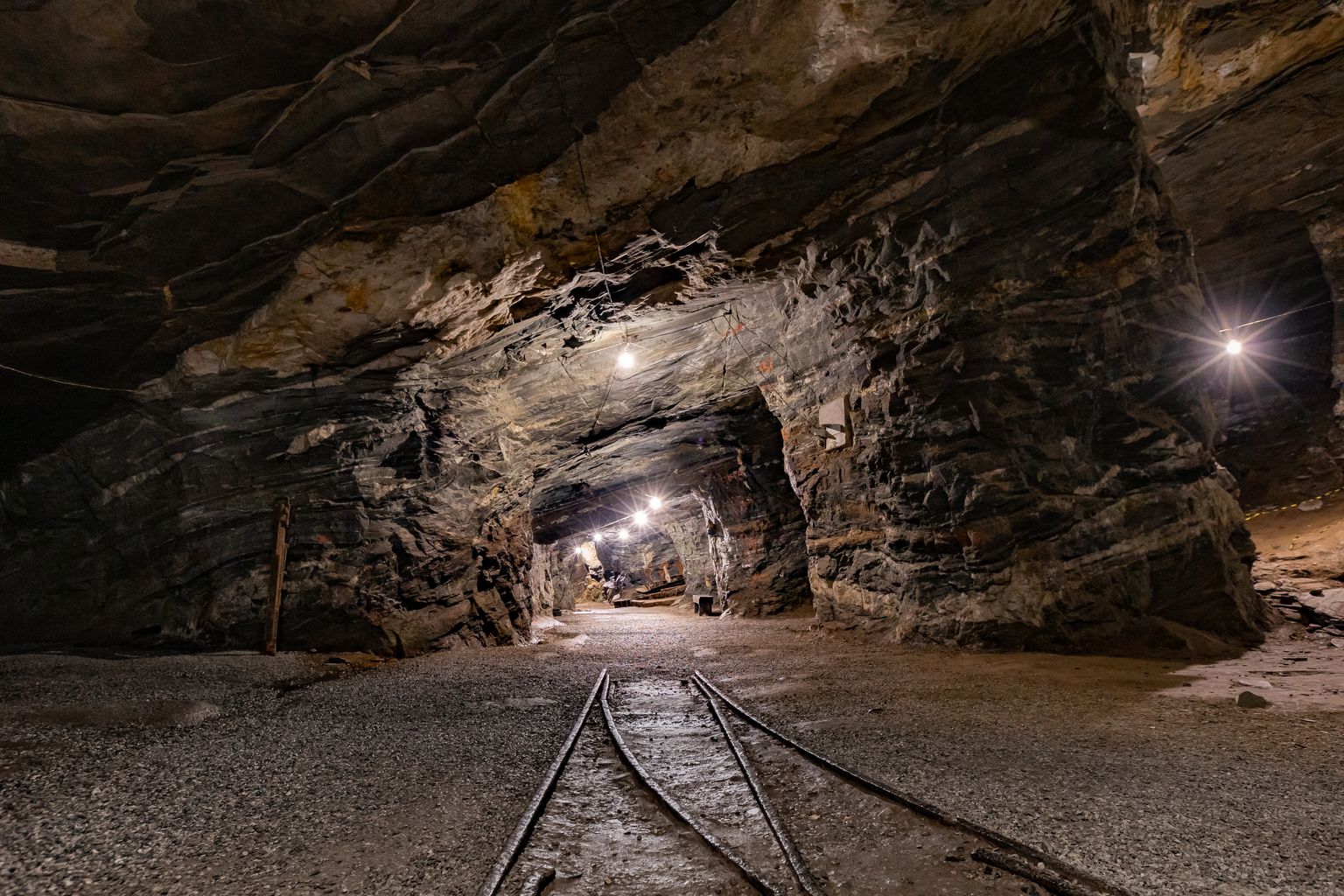
The cycle only works when all four steps are done every round, to the same standard. A round that is drilled but not properly supported leaves a hazard for the next crew. A round that is poorly bogged slows the next drilling pass. Development rate is not set by any single step — it is set by how reliably the four steps turn over, day after day.
Ground support is not a finish, it is the point
In development, freshly opened ground is the most dangerous ground in the mine. It has not seen the load of mining before, and it has not yet been supported. Support is therefore not a cosmetic finish bolted onto the end of the cycle — it is the step that makes the next round possible at all.
At the face that means bolts and mesh installed to a pattern matched to the ground, not to habit. For larger openings and long-life infrastructure, cable bolting extends that support into the rock mass where short bolts cannot reach. The same quality discipline covered in our cable bolt installation piece applies here: design, drill, grout and verify, with the install checked against the plan rather than assumed. Get ground support right in development and the mine inherits stable workings for years; get it wrong and rehabilitation of early headings becomes a permanent tax on production.
What actually sets development rate
Development metres are a planning output before they are a drilling output. The inputs that decide how fast a heading advances:
- Ground conditions — the rock mass behaviour that dictates the support standard and how long each round takes
- Face cycle design — whether drill, charge, bog and support are balanced so no step waits on another
- Ventilation — air extended as the heading advances, so work is not stopped by re-entry times
- Services — power, water, air and reticulation kept within reach of the face
- Fleet availability — a jumbo, charger, loader and bolter that turn up ready, not just on paper
The failure mode is familiar to anyone who has run development: the cycle looks achievable on a schedule, then one input slips — a delayed bolter, an unplanned ventilation change, ground that runs worse than expected — and the whole round stalls. The operations that hold development rate are the ones that plan each input and treat a slip in any one of them as a planning problem, not a crew problem. This is the same preparation discipline behind safe underground mining: the outcome is set before the first hole is drilled.
Development carries a disproportionate safety load
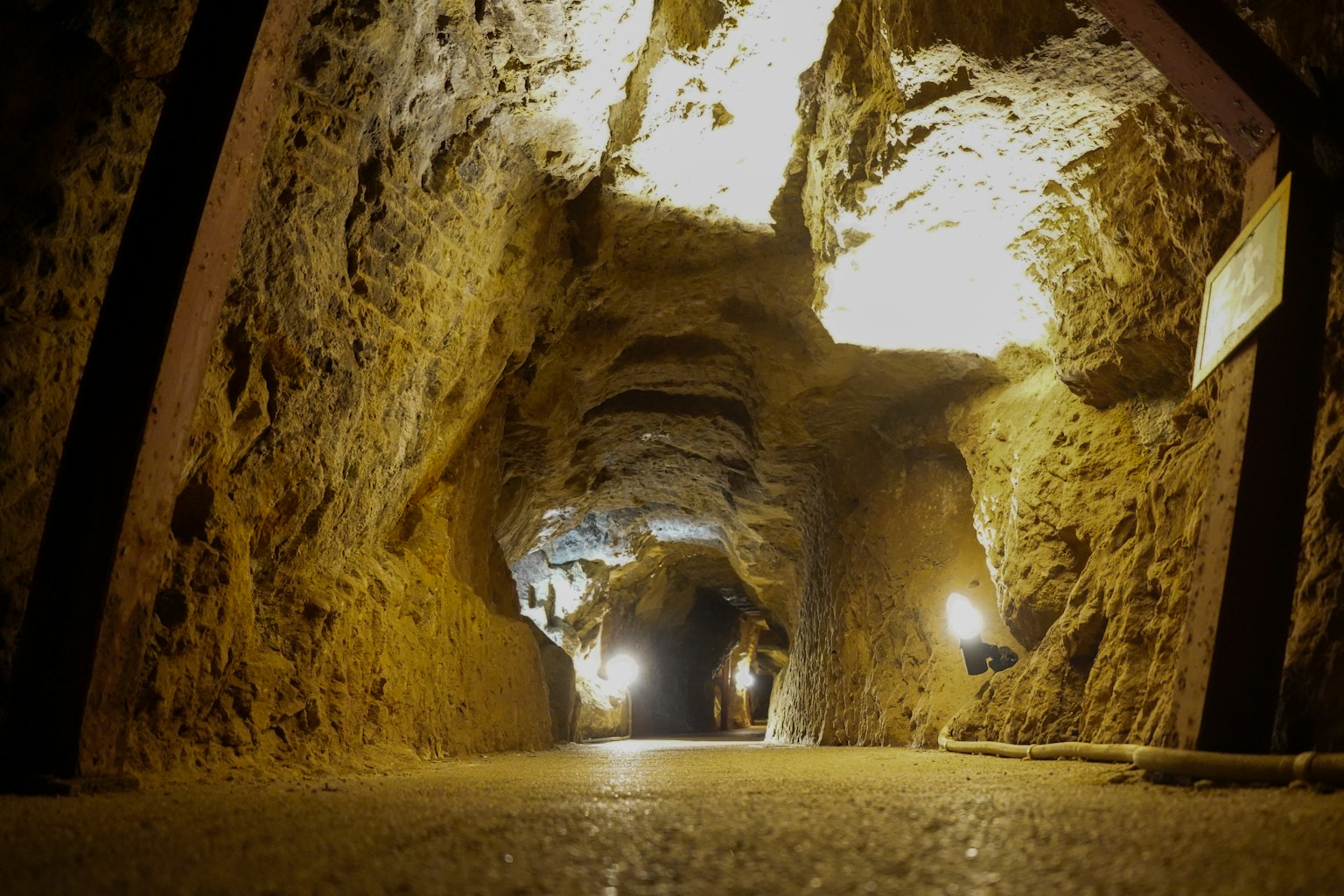
Opening new ground means new ground conditions, every round. That is why development carries more than its share of the operation's safety risk. Pre-start inspections, face checks before drilling, support installed before entry, and the discipline of never working under unsupported ground are not administrative overhead in development — they are the difference between a routine round and a reportable event.
The behaviours that matter are the unglamorous ones: scaling the face and backs, barring down loose ground, checking for misfires after a blast, and confirming the ground is supported before the next crew enters. A development crew that does these things every round, without exception, is doing the most important safety work on the mine.
What a capable development contractor actually brings
For an operation bringing in development support, the decision is rarely about any single capability. It is about whether the contractor can hold the whole cycle together under one standard:
- Crew competence — operators who can run a face cycle to plan across a full swing, not just on the first round
- Equipment that turns up ready — development fleet that is maintained so it is available when the face is ready for it
- Integration — development crews working with technical services, ground support and the production schedule rather than against them
- Measurement — metres advanced, cycle times and ground conditions recorded so the next round improves on the last
Development sets the ceiling on everything that follows, which is why the discipline matters far beyond the metres themselves. This is the wider picture behind the disciplines that deliver the metre, and the same consistency that drives load and haul performance.
Development decides what is possible later
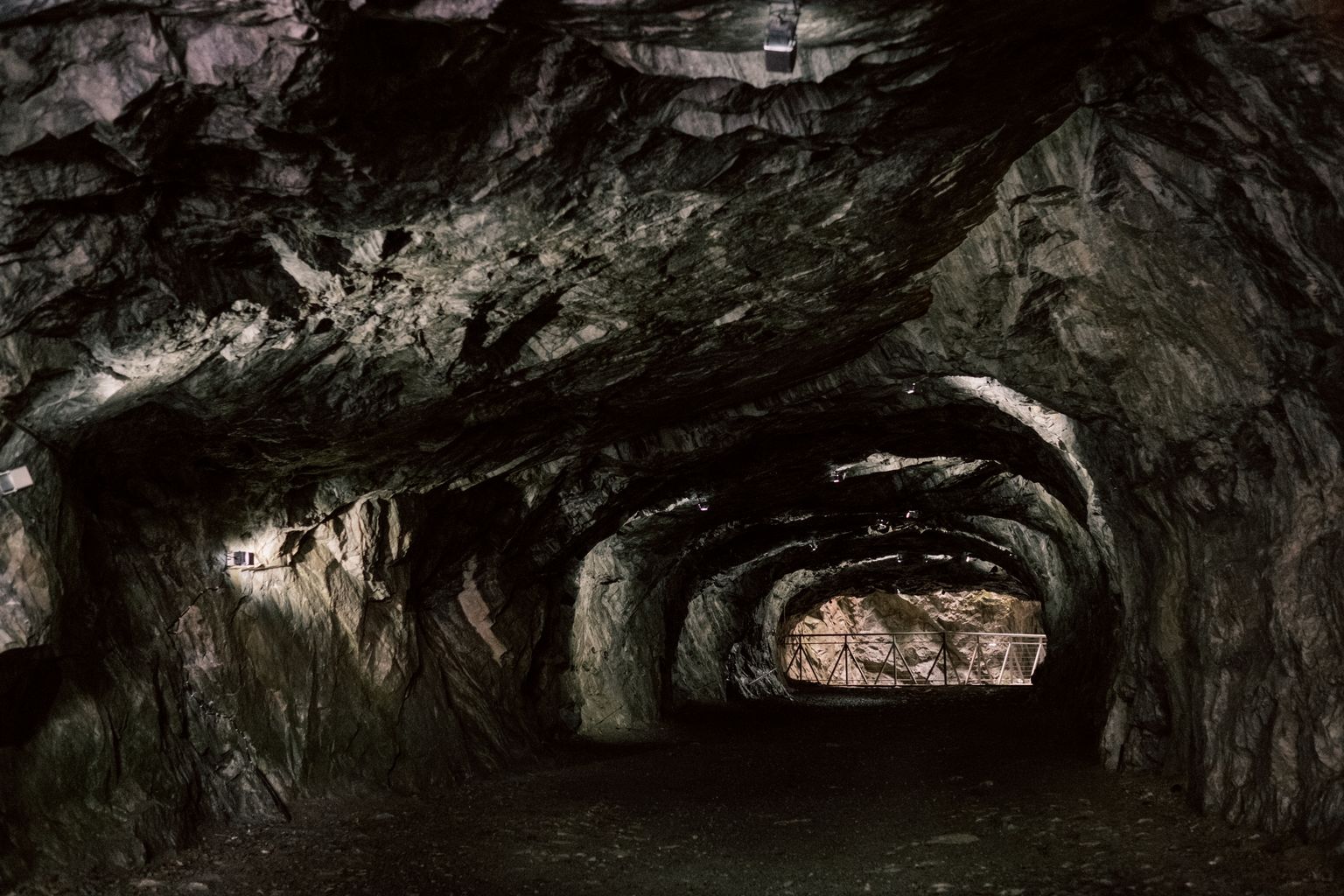
Every tonne recovered from a stope was made possible by development work done months or years earlier. The declines, drives and crosscuts that open the orebody set the rate the whole operation can run at, and the ground support installed during development is what the mine lives with for its working life. It is quiet, unglamorous work — but it is the discipline that decides what is possible later.
AZROC delivers underground development as part of an integrated scope, with experienced crews, maintained equipment and the planning discipline that keeps faces advancing and ground supported. If you are planning an underground project or reviewing how development is delivered on your site, get in touch or see how our underground mining services bring development, ground support and production together.